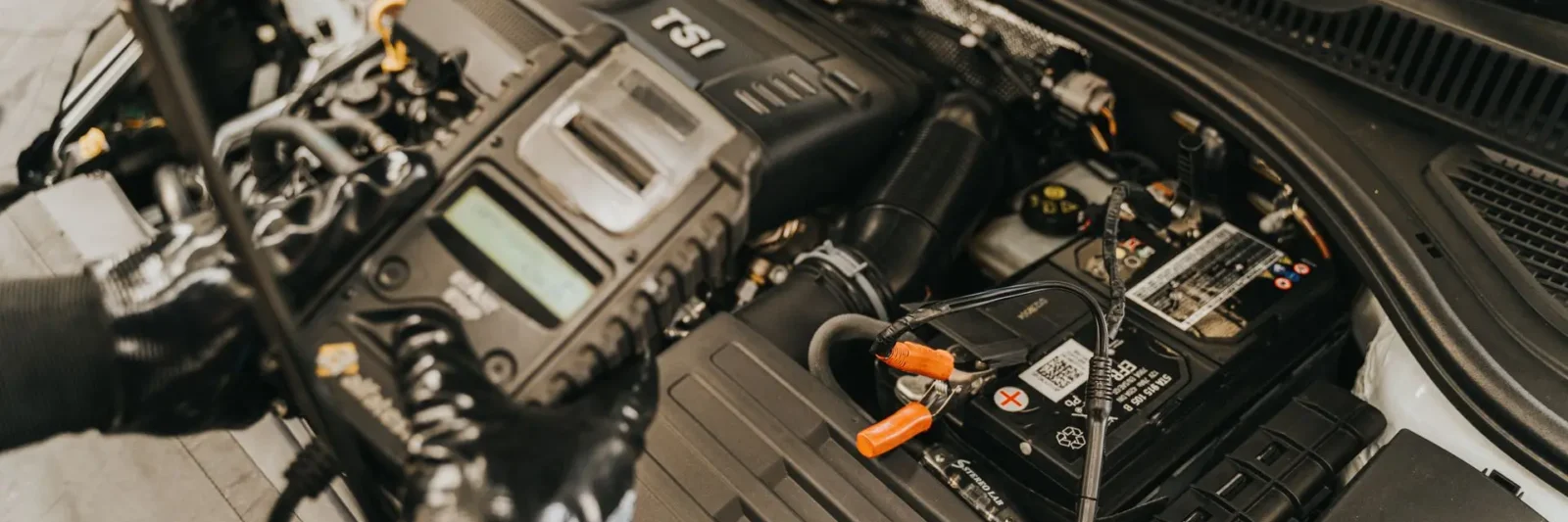
Modern vehicles rely on electrical systems to start the engine, power essential components, operate safety features, and communicate with onboard computers. When an electrical problem develops, you may experience starting difficulties, flickering lights, warning indicators, or accessories that stop working properly.
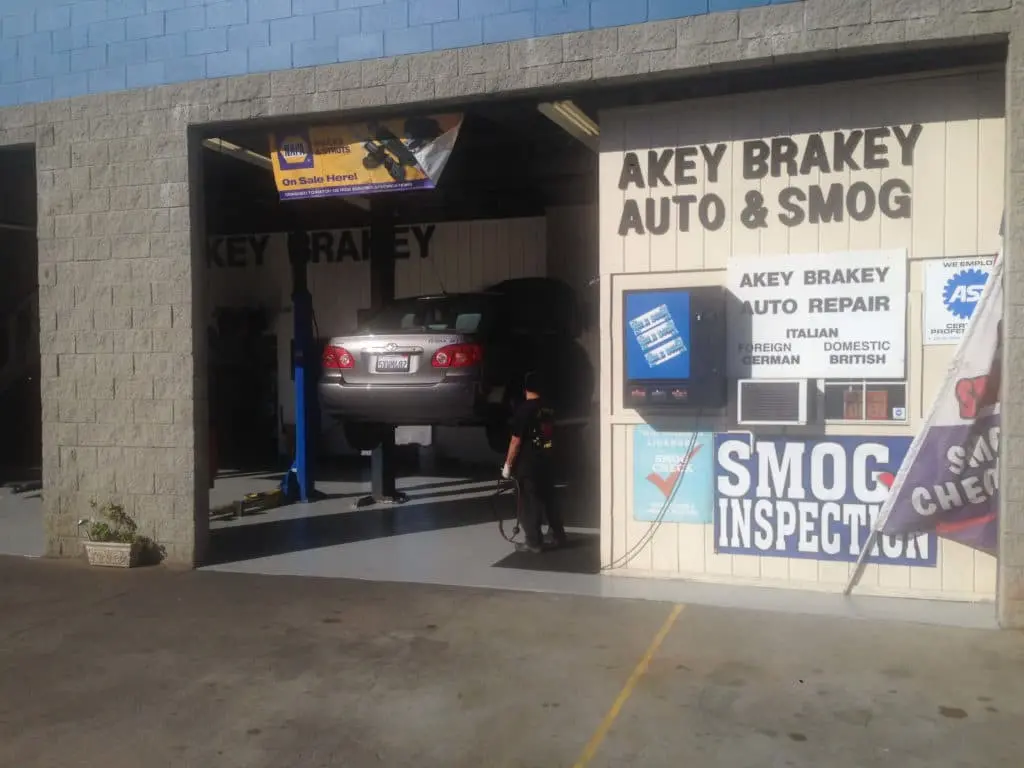
Akey Brakey Auto Repair & Smog serves drivers in Agoura Hills, California. If your vehicle has an electrical issue, contact us to discuss the symptoms and determine what diagnostic or repair services may be appropriate.
Experiencing an electrical problem? Call (818) 706-2349.
Common Signs of Automotive Electrical Problems
Electrical faults can affect one component or several systems at once. Common warning signs include:
- Difficulty starting: The engine cranks slowly, clicks when you turn the key, or does not start.
- Dead or weak battery: The battery repeatedly loses charge or struggles to power the vehicle.
- Dim or flickering lights: Headlights, dashboard lights, or interior lights become unusually dim or fluctuate.
- Malfunctioning accessories: Power windows, locks, infotainment equipment, or other electrical accessories stop working correctly.
- Dashboard warning lights: Battery, charging-system, or other warning indicators appear.
- Blown fuses: A fuse repeatedly fails, potentially indicating an electrical fault that needs diagnosis.
- Intermittent electrical issues: Components work inconsistently or stop working under certain conditions.
These symptoms may have several causes. A weak battery, charging-system fault, damaged wiring, poor connection, failed component, or control-system issue can produce similar signs.
Battery and Starting System Concerns
Your vehicle’s battery supplies electrical power for starting and supports the electrical system when needed. The starting system uses that power to crank the engine.
If your vehicle struggles to start, an assessment may need to consider:
- Battery condition and state of charge.
- Battery terminals and cable connections.
- Starter motor and related circuits.
- Charging-system operation.
- Parasitic electrical draw when the vehicle is switched off.
Replacing the battery without identifying the underlying cause may not resolve a recurring problem. If the battery repeatedly goes flat, additional testing may be needed to determine whether the issue involves charging, starting, connections, or an electrical component staying active.
Alternator and Charging System Problems
The charging system helps maintain battery charge while the engine is running and supplies electrical power to vehicle systems. A charging-system problem may cause warning lights, dimming lights, repeated battery discharge, or eventual stalling in some circumstances.
Possible causes include alternator faults, damaged wiring, loose connections, belt-related issues on applicable vehicles, or battery problems.
A charging-system warning should not be ignored. If the battery or charging warning light appears while driving, consult your owner’s manual and arrange a prompt assessment. If the vehicle begins losing electrical functions or shows signs of stalling, pull over safely and arrange assistance.
Electrical Diagnostics and Troubleshooting
Finding the source of an electrical problem often requires systematic testing. Modern vehicles contain multiple control modules, sensors, wiring circuits, and electronic components, so a warning light or symptom does not always identify the faulty part by itself.
Depending on the vehicle and the services available, diagnostic work may involve:
- Reviewing the symptoms and when they occur.
- Checking the battery and charging system.
- Inspecting visible wiring, connections, and relevant fuses.
- Scanning for diagnostic trouble codes when appropriate.
- Testing affected circuits and components.
- Determining whether further specialist diagnostics are necessary.
Diagnostic trouble codes can help guide testing, but a code alone does not always prove that a particular component has failed. Additional checks may be needed before recommending a repair.
Electrical Problems That Affect Vehicle Accessories
Electrical faults can affect convenience features and essential vehicle functions. Problems may involve power windows, door locks, exterior lighting, interior lighting, instrument displays, or other accessories.
If one component stops working, the cause may be limited to that component or its circuit. If several systems fail at the same time, a shared power supply, ground connection, fuse, wiring issue, or control module may need investigation.
Describe all affected systems when arranging an inspection. Details such as whether the problem is constant, intermittent, or related to starting the vehicle can help narrow down the diagnostic process.
How to Reduce the Risk of Electrical Problems
Not every electrical fault can be prevented, but a few maintenance habits can help you identify some problems early.
- Have recurring starting difficulties checked promptly.
- Keep battery terminals and connections in suitable condition.
- Address warning lights rather than ignoring them.
- Investigate repeated blown fuses instead of continually replacing them.
- Use the correct replacement battery and electrical components for your vehicle.
- Arrange an inspection if electrical accessories begin failing intermittently.
Avoid probing electrical connectors or working around high-current circuits without the appropriate knowledge and equipment. Hybrid and electric vehicles can contain high-voltage systems that require specialized training and safety procedures.
Auto Electrical Repair FAQs
Why won’t my car start even though the lights work?
Working lights do not necessarily mean the battery has enough power to start the engine. Possible causes include a weak battery, poor connections, a starter problem, or another starting-system fault. Testing can help identify the cause.
Can a bad alternator cause my battery to keep dying?
Yes. A charging-system fault can prevent the battery from being adequately recharged. However, an aging battery, poor connections, or an electrical drain can also cause repeated discharge.
What does the battery warning light mean?
It can indicate a problem with the charging system rather than simply a bad battery. Consult your owner’s manual and arrange an assessment promptly, particularly if the light remains illuminated while the engine is running.
Why do my headlights flicker?
Flickering headlights may be associated with battery or charging-system problems, loose connections, wiring faults, or lighting components. The cause depends on the vehicle and when the flickering occurs.
Can a blown fuse indicate a bigger problem?
Sometimes. A fuse may fail because of an electrical overload or a short circuit. If the replacement fuse blows again, the underlying fault should be diagnosed rather than repeatedly replacing the fuse with no further investigation.
Do electrical warning codes always mean a part needs replacing?
No. Diagnostic codes help identify a system or condition that needs investigation. Testing is often necessary to determine whether the cause is a failed component, wiring, a connection, or another issue.
How can I arrange an electrical system inspection?
Call (818) 706-2349 and describe the problem. Providing your vehicle’s year, make, model, and any dashboard warning messages can help us discuss the next steps.
Contact Akey Brakey Auto Repair & Smog
If your vehicle has starting difficulties, battery concerns, warning lights, or electrical accessories that are not working correctly, contact Akey Brakey Auto Repair & Smog in Agoura Hills, California.
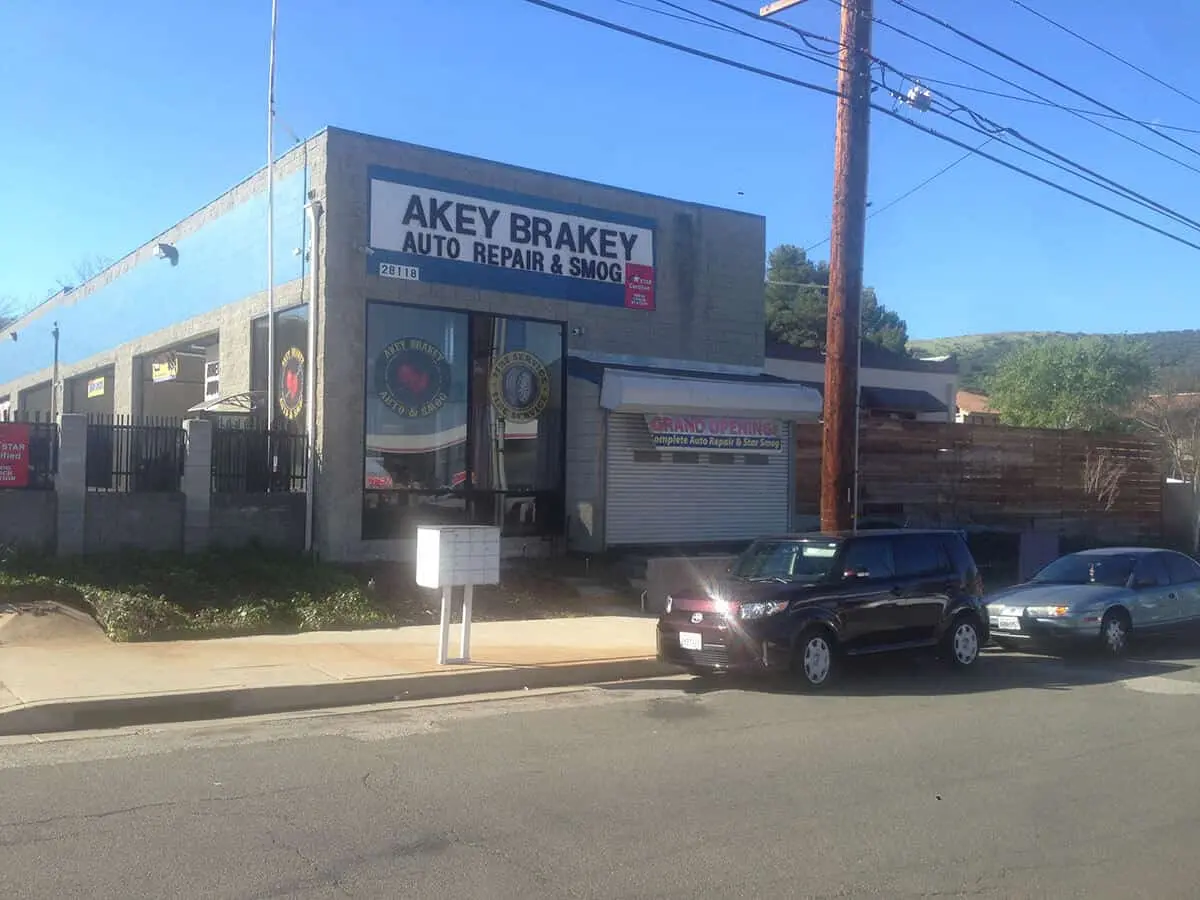
Akey Brakey Auto Repair & Smog
28118 Dorothy Dr #12
Agoura Hills, CA 91301
Phone: (818) 706-2349
Explore Our Auto Repair Services | Contact Us | Get Directions